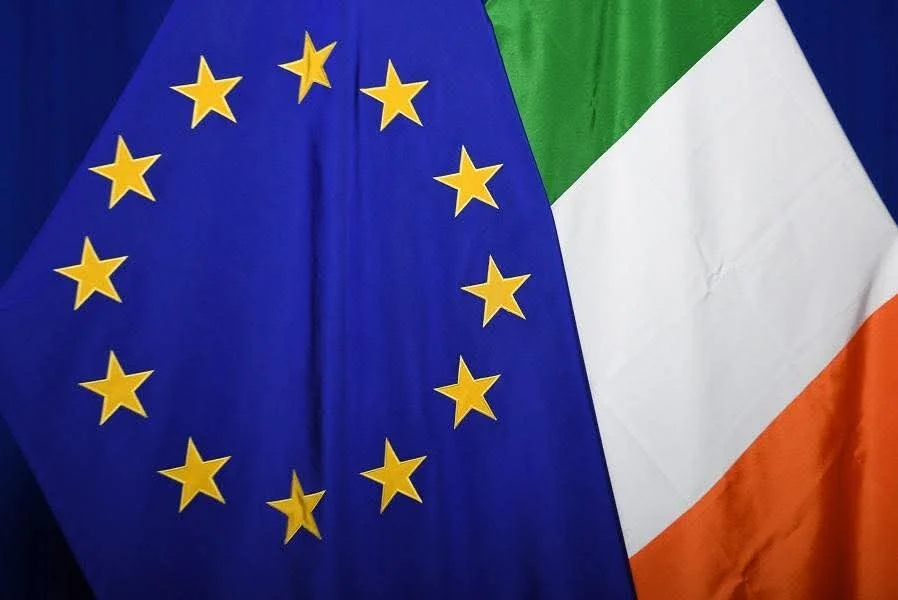
Ireland’s Upcoming EU Presidency Set to Cost Over €400 Million Official Figures Released
Dublin, Ireland’s six-month Presidency of the Council of the European Union in 2026 is expected to represent a significant financial undertaking for the State, with total costs estimated to exceed €400 million combining allocations in Budget 2026 and additional government expenditures for preparation and security.
The Irish Times
Ireland will hold the rotating EU presidency from 1 July to 31 December 2026, taking the lead in steering the bloc’s agenda, hosting diplomatic summits, and chairing high-level meetings with EU leaders.
breakingnews.ie
Budget 2026 Allocations for the Presidency
According to the Department of Public Expenditure’s report on Budget 2026, the government has earmarked €282 million in current expenditure to cover the costs directly associated with hosting and managing the EU presidency.
The Irish Times
These funds are intended to support a range of activities and responsibilities, including logistical arrangements, administration, coordination across government departments, and operational costs tied to Ireland’s stewardship of the Council of the EU.
The Irish Times
Security and Policing Costs Key Component
A significant portion of the budget €125 million has been allocated to An Garda Síochána to fund enhanced security measures over the six month term.
The Irish Times
This allocation reflects the extensive security requirements for visits by at least 50 European leaders, multiple international summits, and a widely anticipated European Political Community (EPC) meeting, which will involve dozens of heads of state and government.
The Irish Times
Law enforcement officials have acknowledged the complexity and cost intensity of this security operation, especially considering the scale of events, potential threats, and the level of international attention expected.
The Irish Times
Infrastructure and Preparation Costs
In addition to the presidency budget, €11.7 million in capital expenditure has been allocated to the Office of Public Works (OPW) to prepare state venues and infrastructure for high-level meetings.
The Irish Times
This funding is aimed at supporting upgrades, refurbishment, and readiness at key sites, including historic venues such as Dublin Castle, which will host several diplomatic events and ministerial gatherings.
archive.ph
Beyond this, additional hospitality and event related contracts including catering and hosting services valued at an estimated €10 million plus contribute further to the total cost burden on public funds.
archive.ph
Total Cost Outlook: Over €400 Million
While the core Budget 2026 allocations total €282 million, when combined with OPW capital works (€11.7 million) and Garda security funding (€125 million), the aggregate cost to the State exceeds €400 million.
The Irish Times
Specialised expenses such as luxury vehicle provision for visiting dignitaries and additional logistical support services are also expected to add to the bill, underscoring the scale of the presidency’s financial footprint.
archive.ph
What Ireland Gains Through the Presidency
Despite the substantial cost, Ireland’s EU presidency presents strategic diplomatic and political opportunities.
Over six months, Ireland will:
Set agendas and priorities for EU policy discussions across key topics including economic competitiveness, security and defence, digital regulation, and enlargement.
The Irish Times
Facilitate and host scores of meetings, including ministerial gatherings and high-level summits.
The Irish Times
Enhance Ireland’s profile on the EU stage and strengthen its influence in European decision making at a pivotal time for the bloc.
breakingnews.ie
Officials maintain that the presidency’s costs are a necessary investment in Ireland’s diplomatic standing and international engagement, even as public scrutiny and debate continue over the scale of expenditure.
Aaron Joyce, Newswire, L.T.T Media; Newsdesk; 28 December 2025