
Could a Sinn Féin‑Led Left-Wing Coalition Really Happen in Ireland?
Political pundits have long been sceptical and for valid reasons about the prospects of a left wing coalition led by Sinn Féin in Ireland. While recent developments, such as Catherine Connolly’s presidential victory, have shown the potential for collaboration among left leaning parties, the reality of forming a functional government faces significant hurdles.
Key Players and Potential Coalition Partners
Sinn Féin
Sinn Féin remains the largest left identified party in the Republic of Ireland, combining Irish republicanism with a social democratic and progressive policy platform. The party has actively sought dialogue with other left leaning parties about forming a coalition after the next general election, signalling its intention to offer a clear alternative to Fianna Fáil and Fine Gael.
Despite this, critics — including centre-left figures in Labour — have highlighted the party’s nationalist emphasis, which can at times conflict with purely leftist priorities on economic and social policy.
Labour Party
Traditionally a centre-left social democratic party, Labour has historically been cautious about partnering with Sinn Féin. While Labour could theoretically join a left coalition, internal debates over policy alignment and electoral positioning make such a partnership far from straightforward. Recent commentary by Labour leader Ivana Bacik suggests a perception of Sinn Féin as more populist than consistently left wing, particularly in areas like EU policy and climate strategy.
Social Democrats
The Social Democrats occupy a centre left position focused on progressive reforms in healthcare, housing, and workers’ rights. While they share many goals with Sinn Féin, differences in strategy and approach may complicate coalition negotiations.
People Before Profit–Solidarity (PBPS)
An alliance of far-left and socialist groups, PBPS has advocated for a left government that rules out cooperation with traditional parties. Its members prioritize anti-austerity measures and more radical social and economic reforms. However, internal debates have surfaced, with some members questioning alignment with Sinn Féin, suggesting possible ideological friction within the coalition itself.
Greens and Smaller Left Parties
The Green Party, alongside smaller left leaning organisations and independent figures, could play supporting roles in a left coalition. Their participation would hinge on agreement over key issues like environmental policy, social justice, and public spending.
Independent Figures: Catherine Connolly
Catherine Connolly’s presidential campaign, supported by Sinn Féin, Labour, Social Democrats, People Before Profit, and Greens, demonstrates that cross-party cooperation among left-leaning politicians is possible. Her victory provides a contemporary example of collaboration that could translate into parliamentary negotiations in the future.
The Sceptical View: Why Analysts Warn of Difficulty
Even with examples of cooperation, many commentators remain sceptical about a Sinn Féin led left coalition due to several structural and ideological factors:
1. Ideological Diversity
The spectrum of left-wing politics in Ireland ranges from centre-left pragmatism to ecosocialist or far-left radicalism. Aligning these positions into a coherent government programme is challenging. Differences in approach to taxation, climate policy, public services, and EU relations could become major sticking points.
2. Strategic Tensions
While some parties pursue incremental reform, others advocate for sweeping structural change. Reconciling these differences is critical but may prove difficult in practice.
3. Electoral Arithmetic
Current polling indicates Sinn Féin remains strong, but left-leaning smaller parties hold limited seats. Achieving a majority may require either a broader alliance or compromises with centrist parties, which could dilute the coalition’s left-wing agenda.
4. Historical Precedent
Previous left alliances in Ireland, such as the United Left Alliance (2010–2013), struggled to maintain cohesion. Internal disputes and policy disagreements eventually led to their dissolution, serving as a cautionary example for any future left coalition.
Why Some Still Believe It Could Happen
Despite scepticism, certain developments provide hope:
Cross-party support for Connolly’s presidency demonstrates that effective collaboration among left-leaning groups is possible.
Outreach by PBPS to Sinn Féin and other left parties signals ongoing discussions about forming a potential coalition.
Growing public frustration over housing, healthcare, and cost of living crises may create political momentum for progressive change, energising the electorate to support a left led government.
Bottom Line
A left wing coalition led by Sinn Féin is neither inevitable nor impossible.
Success would depend on reconciling ideological differences, strategic priorities, and electoral realities. While recent events indicate potential pathways for cooperation, the challenges of creating a cohesive government in Ireland’s current political climate remain substantial.
Aaron Joyce, Newswire, L.T.T Media - Newsdesk - 27 December 2025
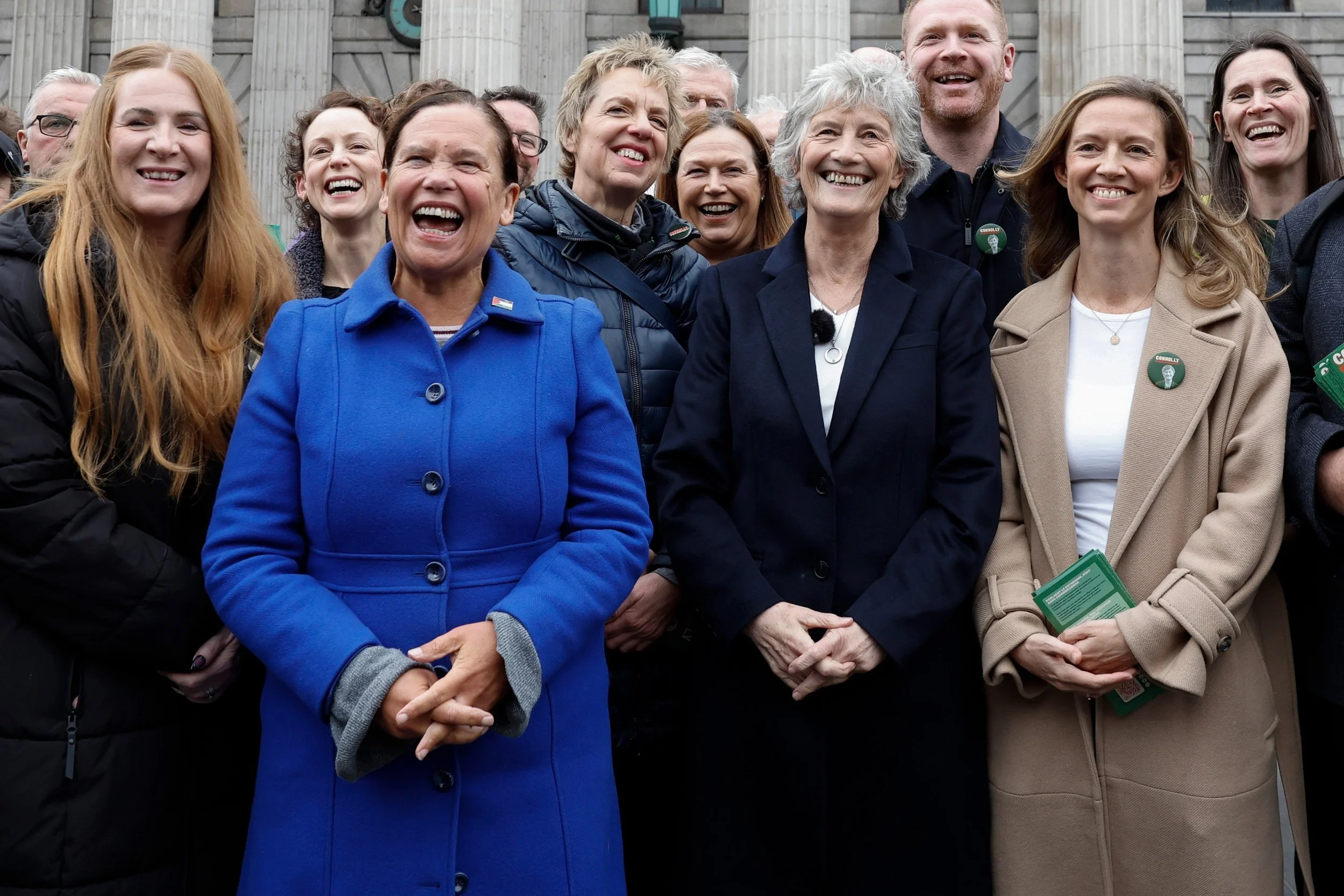
Image Credit - The Times