
Ian Bailey, Christmas, and the Burden of a Verdict That Never Was
Ian Bailey, Christmas, and the Burden of a Verdict That Never Was
By Aaron Joyce – Opinion
As Christmas approaches a time associated with reflection, humanity, and goodwill, the name Ian Bailey once again resurfaces in Irish media, framed not as a man, but as a conclusion. Once again, he is written about as though he were already dead in the water and already convicted, already beyond doubt. (excuse the course in writing of course Ian Bailey is deceased) And yet, the central, inconvenient truth remains unchanged: Ian Bailey has never been found guilty of murder in Ireland or anywhere else under Irish law.
I write this not only to cover a piece, but as someone who has met Ian Bailey in the past, spoken with him, and observed him not through headlines or documentary edits, but as a human being. I do not believe he committed the murder of Sophie Toscan du Plantier, and that belief is rooted not in sentiment, but in facts, law, timelines, and unanswered questions that continue to be ignored.
The Crime and the Beginning of Suspicion
On 23 December 1996, Sophie Toscan du Plantier was brutally murdered outside her holiday home in Schull, West Cork. The crime shocked Ireland and France alike. It remains one of the most tragic and haunting unsolved murders in Irish history.
Ian Bailey, a British-born journalist living locally at the time, soon became a person of interest. He was arrested twice, first in February 1997, and again in January 1998 and released without charge on both occasions.
Those dates matter. Because from that moment onwards, despite decades of investigation, no prosecution ever followed in Ireland.
The Central Fact Often Buried: No Forensic Evidence
After years of Garda investigation, reviews, and re-examinations, one fact has never changed:
No forensic evidence has ever linked Ian Bailey to the murder scene.
No DNA.
No blood.
No fingerprints.
No fibres.
In any murder case — particularly one of this magnitude — forensic evidence is often the backbone of prosecution. Here, it simply does not exist.
This absence is not disputed. It is acknowledged by the Director of Public Prosecutions (DPP), who reviewed the file multiple times and repeatedly concluded that there was insufficient evidence to prosecute.
That decision is not political. It is legal.
The DPP Decision: Law, Not Opinion
The Irish Director of Public Prosecutions declined to bring charges against Ian Bailey because the evidence did not meet the threshold required to secure a conviction beyond reasonable doubt.
This was not a single decision. It was reaffirmed over time.
Under Irish law, suspicion is not enough. Circumstantial speculation is not enough. Media pressure is not enough. And crucially, belief is not evidence.
Witness Testimony: Inconsistencies and Retractions
Much of the case that has lived on in the public imagination relies heavily on witness statements, some of which later changed, were retracted, or contradicted.
One of the most widely referenced witnesses altered her account significantly over time — a fact that critically weakened any potential prosecution. Other alleged “confessions” were disputed, unrecorded, or emerged long after the fact.
Again, these are not fringe claims. These are reasons cited directly in legal reviews.
The French Conviction: A Legal Parallel, Not a Verdict
In 2019, Ian Bailey was convicted in absentia by a French court.
This fact is frequently presented as a final word. It is not.
France operates under a very different legal system, where hearsay and compiled dossiers can carry more weight than they would ever be permitted to in an Irish courtroom. Crucially, the French conviction did not introduce new forensic evidence.
Ireland’s High Court repeatedly refused extradition, explicitly stating that the evidence relied upon in France would not be admissible or sufficient under Irish law.
That distinction matters. Law is not interchangeable between jurisdictions.
A Man Tried Forever, Convicted Never
Ian Bailey has now been publicly tried socially and reputationally for nearly three decades and continually so it seems in death.
He has:
Never been convicted in Ireland
Never faced a jury trial
Never had evidence tested in open Irish court
And yet, he is written about repeatedly as though guilt were settled fact.
This Christmas, he once again appears in headlines not as a man entitled to the presumption of innocence, but as a ghost of a verdict that never came. A “dead man walking” in print. A convenient villain recycled whenever a slow news cycle or anniversary arrives.
Media Responsibility and Human Cost
There is something deeply unsettling about how easily we, as a society, accept this.
Christmas is a time when we speak of compassion. Yet year after year, a man who has never been found guilty of anything is re-presented as though justice has already spoken, when in truth, the courts have spoken very clearly, and they said no.
This is not about rewriting history. It is about respecting it.
Conclusion: Truth Must Be Stronger Than Narrative
Believing Ian Bailey is innocent does not diminish Sophie Toscan du Plantier’s life or the horror of her death. It does not excuse investigative failures. And it does not mean the case should not be solved.
But justice cannot be built on repetition, implication, or media consensus.
As someone who has met Ian Bailey, reviewed the facts, and understands the law, I cannot in good conscience accept a narrative that demands belief in guilt without proof.
And at Christmas, of all times, we should ask ourselves a simple question:
If a man can be condemned forever without ever being convicted — what does that say about justice?
Aaron Joyce, Newswire, L.T.T Media; Newsdesk
26 December 2025
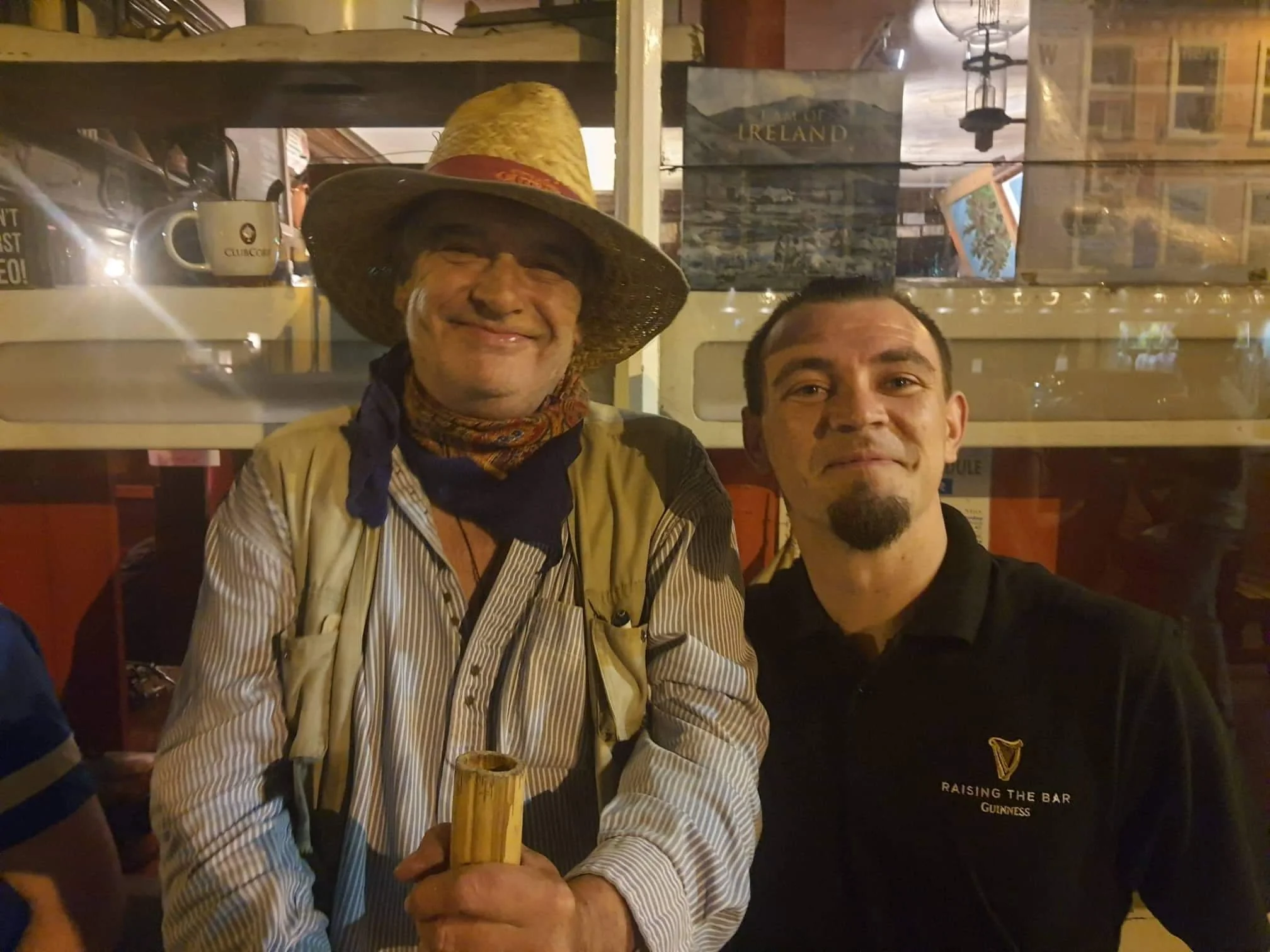
Ian Bailey & Aaron Joyce
Bantry, West Cork - 2023
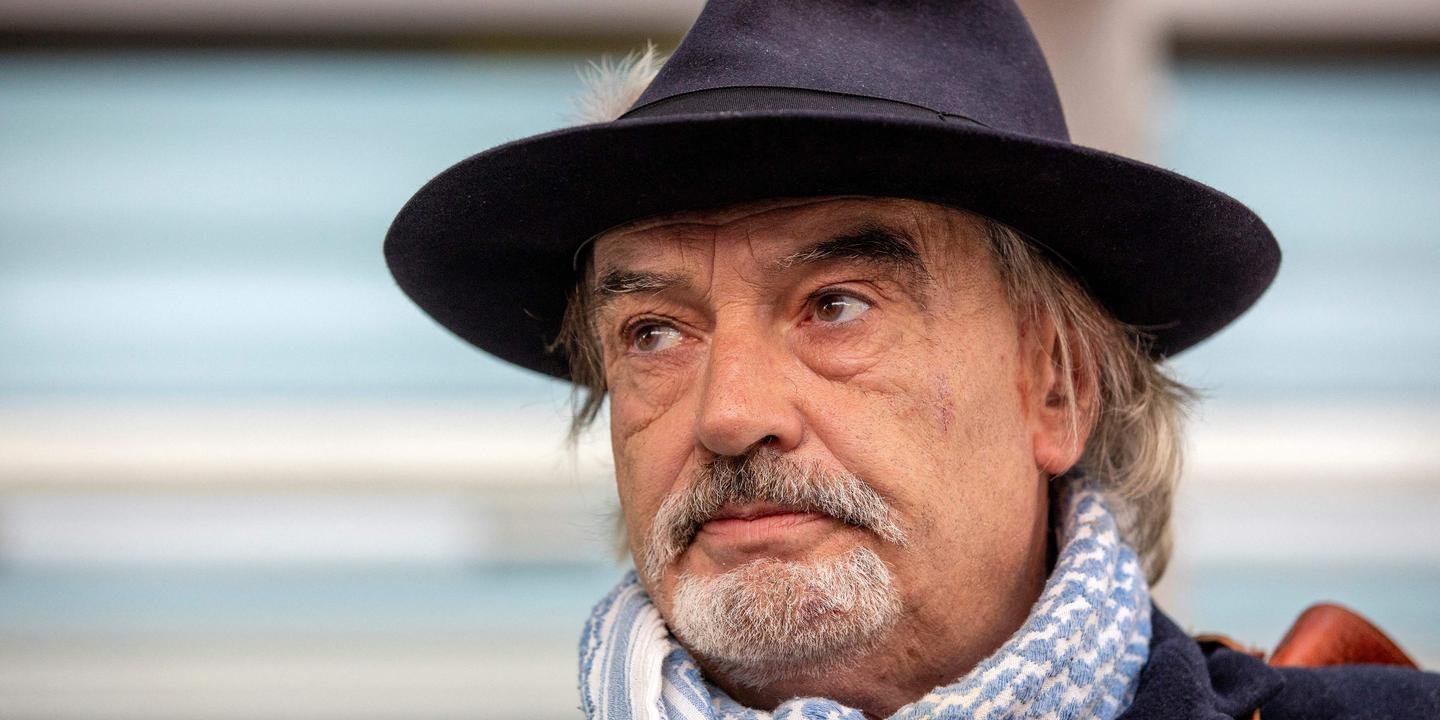
Ian Bailey