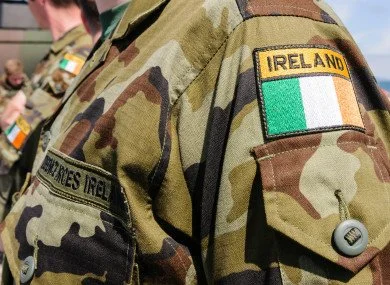
Gardaí Reject Majority of Alleged Sexual Assault Cases Referred by Defence Forces
An Garda Síochána is returning the vast majority of alleged sexual assault cases referred by the Irish Defence Forces, citing insufficient evidence to meet civilian criminal prosecution standards. The practice has raised questions about how allegations of abuse are handled within the military and the effectiveness of the current reporting framework introduced after the Women of Honour controversy.
Under regulations implemented in April 2023, the Defence Forces are required to refer all allegations of sexual misconduct to civilian authorities for investigation. This move was designed to ensure that serious complaints are investigated impartially, following widespread criticism of how such cases were previously dealt with internally through military courts.
However, Gardaí say that almost all of the referrals do not meet the threshold for prosecution under civilian law and are subsequently returned to the Defence Forces for further handling. Cases that are rejected by Gardaí may still be investigated under military disciplinary codes, which can include charges such as “conduct prejudicial to good order and discipline,” even if the alleged acts would not constitute criminal offences in a civilian court.
A Defence Forces spokesperson emphasised that this approach recognises the differing standards and evidentiary requirements between civilian criminal law and military disciplinary processes. “It ensures that allegations are appropriately assessed by the relevant authorities while maintaining the integrity of both civilian and military legal frameworks,” the spokesperson said.
The issue comes amid ongoing scrutiny of how sexual abuse complaints are handled within the Defence Forces. A judge-led tribunal examining historical and systemic failings in the military’s handling of sexual misconduct is scheduled to begin hearings next year. Advocates for victims have warned that the current system still leaves survivors with limited avenues for justice, particularly in cases where civilian prosecution is deemed unfeasible.
Civil rights groups have also expressed concern that returning the majority of cases to the military risks perpetuating a culture in which victims may feel discouraged from coming forward, and where accountability is perceived as limited.
The dual approach, involving both civilian and military jurisdictions, highlights the complexities involved in addressing sexual misconduct within institutions where hierarchical structures and operational requirements may conflict with transparency and public expectations of justice.
As Ireland continues to grapple with reforms in military and civilian oversight, the handling of these allegations underscores the ongoing challenges in ensuring that victims receive both protection and a fair, impartial route to justice.
Aaron Joyce, Newswire, L.T.T Media; Newsdesk;
23 December 2025