The Mercosur Deal: A Direct Threat to European Farmers and Democratic Accountability
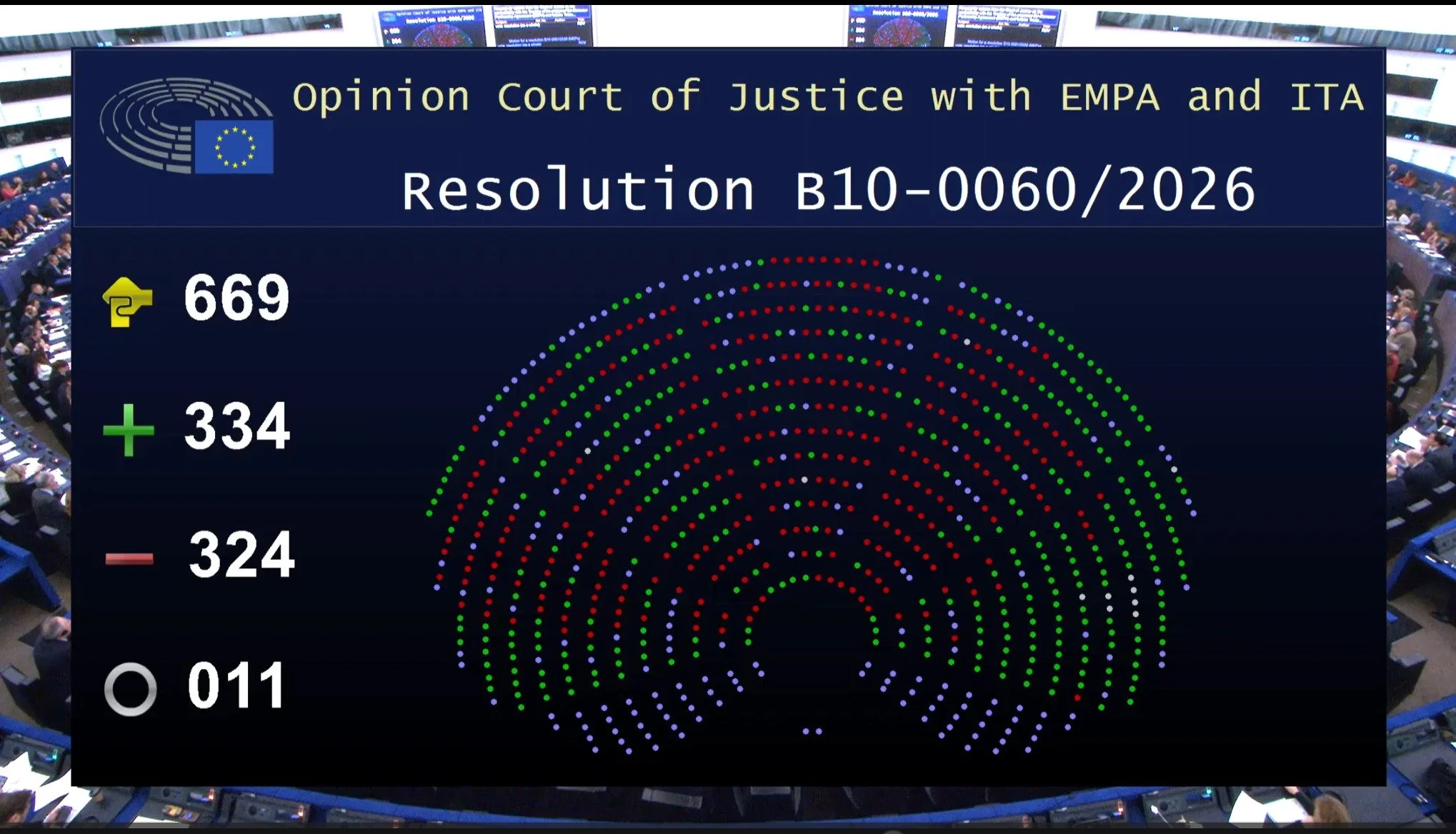
The referral of the EU–Mercosur Agreement and its associated Interim Trade Agreement to the European Court represents more than a procedural legal step. It is a necessary challenge to a trade deal that many across Europe believe undermines farmers, weakens food standards, and bypasses democratic accountability.
For years, opposition to the Mercosur agreement has been dismissed as protectionist or politically inconvenient. Yet the concerns raised by farmers’ organisations, environmental groups, and national parliaments have never been ideological — they have been practical, economic, and legal.
At its core, the Mercosur deal opens European markets to large-scale agricultural imports from South America, produced under regulatory frameworks that do not meet the same environmental, animal welfare, or labour standards imposed on EU farmers. European producers are expected to comply with strict climate rules, pesticide bans, and welfare regulations, while competing with imports that are not held to equivalent standards. This is not free trade — it is uneven trade.
A Deal That Sacrifices Farmers First
Irish, French, Polish, and Spanish farmers have repeatedly warned that the deal will depress prices, accelerate farm closures, and hollow out rural communities. Beef, poultry, sugar, and ethanol producers stand to lose the most. These are not abstract projections — they are based on market realities and previous trade liberalisation outcomes.
At a time when European farmers are already under pressure from rising costs, climate mandates, and shrinking margins, pushing through a deal that increases competition from industrial-scale agribusiness abroad is economically reckless.
The irony is stark: Brussels demands sustainability from European farmers while outsourcing environmental damage elsewhere.
Legal and Democratic Concerns Cannot Be Ignored
Beyond economics, the legality of the agreement itself has come into question. The referral to the European Court is a reminder that trade policy must operate within the bounds of EU law, treaty obligations, and democratic consent.
Critics argue that attempts to advance the agreement through interim or provisional mechanisms risk bypassing national parliaments and public scrutiny. If the European Union is serious about transparency and the rule of law, then legal examination is not obstruction — it is obligation.
Trade agreements of this scale should not be insulated from democratic challenge simply because they are politically inconvenient.
Who Benefits?
Supporters of the Mercosur deal often speak in broad terms about growth, exports, and global competitiveness. Yet the benefits are concentrated among multinational corporations, exporters, and financial interests — not family farms or rural communities.
European agriculture is not merely an economic sector; it is a strategic asset tied to food security, land stewardship, and cultural heritage. Undermining it in the name of theoretical trade gains is short-sighted and dangerous.
A Moment for Political Courage
The court referral should be seen as an opportunity — not to rush the deal through, but to reassess whether it aligns with Europe’s stated values on sustainability, fairness, and democratic governance.
If the EU insists on pursuing trade agreements, they must uphold equal standards, protect domestic producers, and command genuine public consent. Anything less erodes trust and fuels the very political instability European leaders claim to oppose.
For European farmers, this legal challenge is not about blocking trade. It is about survival, fairness, and being heard.
In that sense, this is not a small victory — it is a necessary stand.
By Aaron Joyce, Newswire, L.T.T Media; January 21, 2026