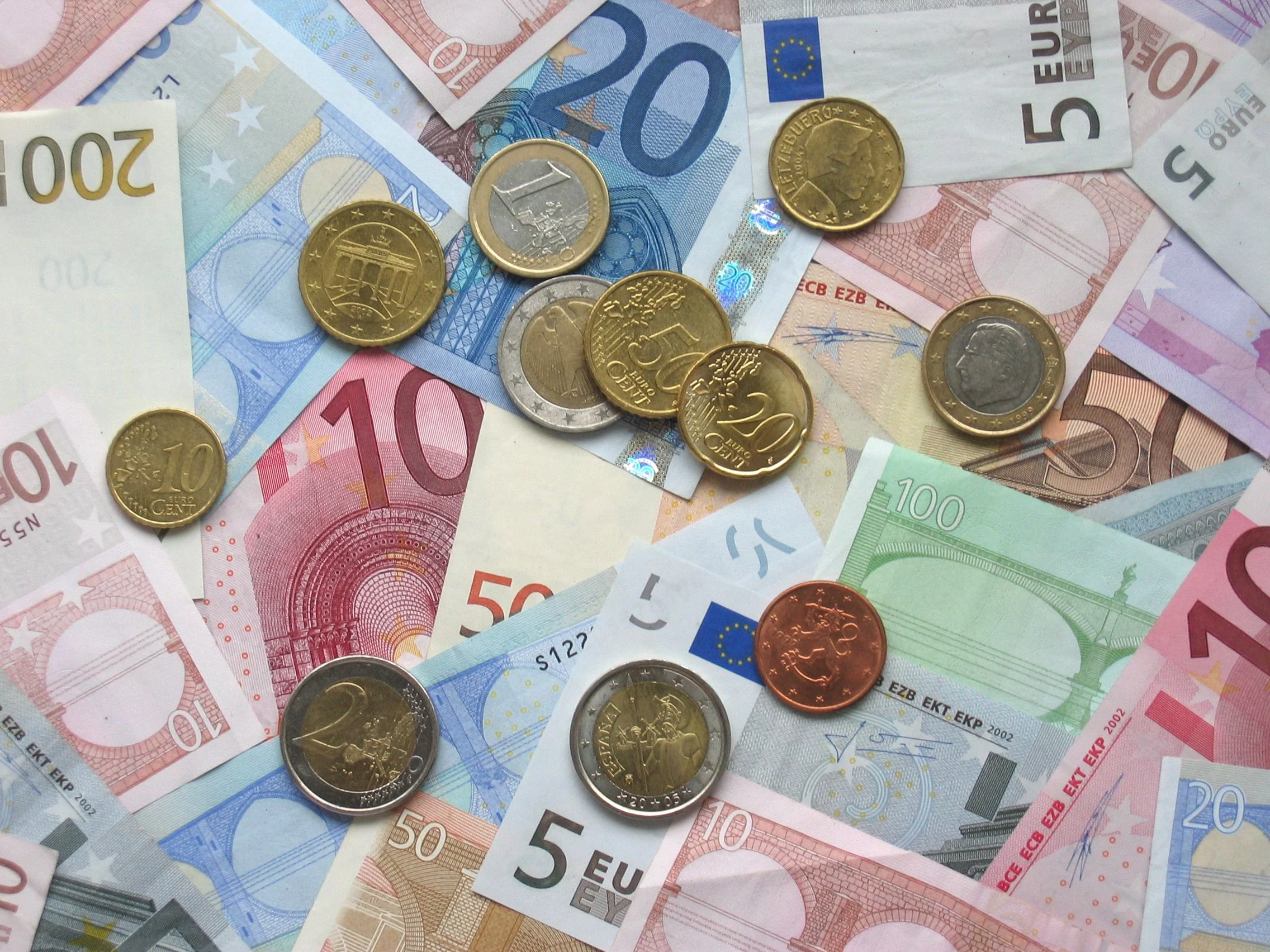
Bulgaria Takes Historic Step To Adopt the Euro as Its Official Currency
Sofia/Brussels, In a major development for European economic integration, Bulgaria is set to officially adopt the euro as its currency on 1 January 2026, marking the country’s transition from the Bulgarian lev to the euro and its entry as the 21st member of the euro area.
consilium.europa.eu
The decision comes after a long and closely watched accession process that required Bulgaria to meet stringent European Union economic criteria, including price stability, fiscal prudence, exchange rate stability and regulatory alignment with EU standards. Ultimately, the European Council formally adopted three critical legal acts on 8 July 2025, paving the way for the euro’s introduction at the start of next year.
consilium.europa.eu
A key component of the approval was setting the fixed conversion rate of the Bulgarian lev to the euro at 1.95583 lev per €1, aligned with Bulgaria’s participation in the Exchange Rate Mechanism (ERM II).
consilium.europa.eu
What This Means for Bulgaria
Official Euro Adoption from 1 January 2026: Bulgaria will no longer use the lev and will fully transition to the euro as legal tender.
21st Member of the Eurozone: This significant milestone brings Bulgaria alongside 20 other EU member states that use the euro, including Germany, France, Spain and Ireland.
Public and Private Sector
Preparations: The transition includes adapting financial systems, ATMs, pricing displays and public awareness efforts well ahead of the changeover.
abz.bg
Anadolu Ajansı
bta.bg
Prime Minister Rossen Zhelyazkov hailed the upcoming change as a “historic achievement” and emphasised the government’s commitment to ensuring a smooth and effective euro transition for all Bulgarians. Finance Minister Temenuzhka Petkova echoed this, underscoring anticipated benefits like greater financial stability, increased investment and deeper integration with Europe’s economic core.
bta.bg
Why This Matters
Bulgaria first committed to join the eurozone when it joined the European Union in 2007, and the country has carefully aligned its economy for comprehensive convergence ever since — including participation in ERM II since 2020.
Wikipedia
European institutions like the European Commission and European Central Bank (ECB) confirmed in June 2025 that Bulgaria met all required criteria, lending strong institutional backing to the accession.
The Sofia Globe
Public Reaction and Discussion
While many business and political leaders celebrate the move as a leap toward economic modernization and stability, public sentiment in Bulgaria remains mixed. Some citizens express concern about price adjustments and the socio economic impact of transitioning to the euro discussions that are expected to continue as the country nears the official adoption date.
International Banker
Looking Ahead
With the legal framework finalised and preparations underway, Bulgaria’s euro adoption represents not just a change in currency but a symbolic deepening of its commitment to the European project.
Starting 1 January 2026, Bulgarians will live, work and trade with the euro further bridging the nation’s financial systems with the heart of the European economy.
Aaron Joyce, Newswire, L.T.T Media; Newsdesk; 28 December 2025