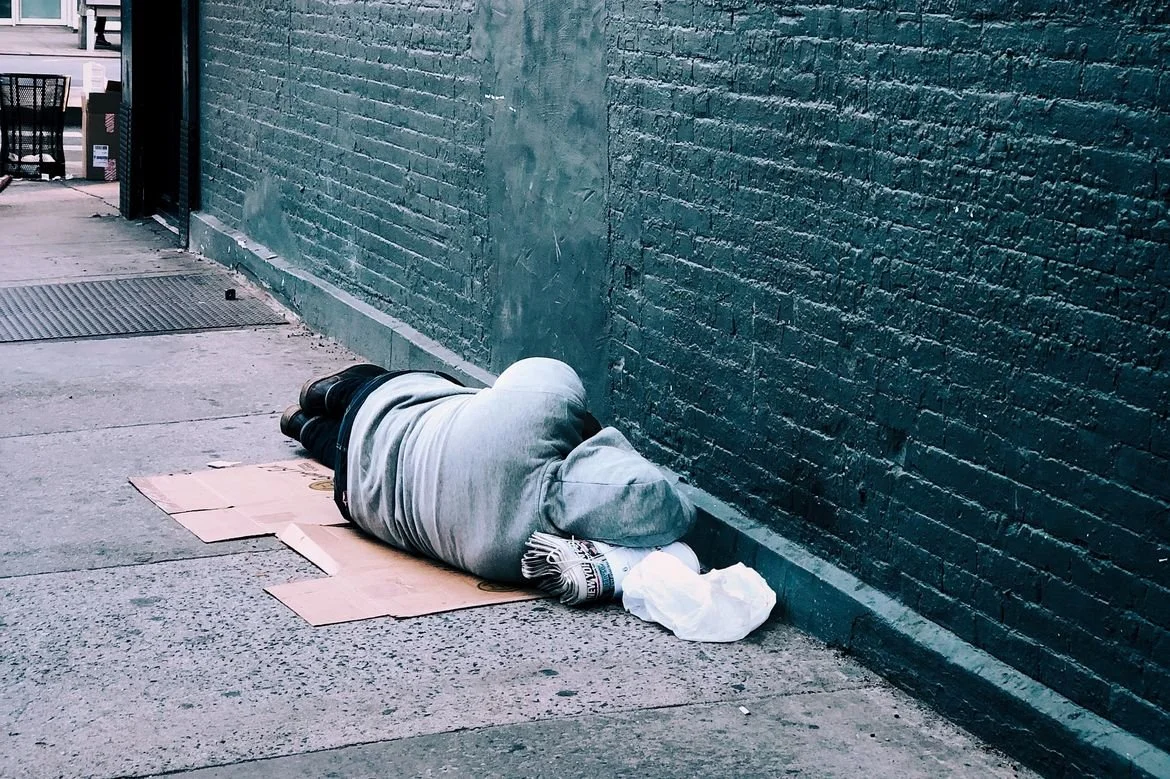
Rough Sleepers Avoid Homeless Services to Stay Sober, Advocacy Groups Warn
DUBLIN, 29 December 2025
A number of people sleeping rough in Dublin are reportedly avoiding engagement with homeless services in order to remain sober, according to frontline outreach workers and support groups, reflecting a wider and growing crisis in homelessness across the capital.
( The same could be said for people in area’s such as Waterford, Cork & Limerick )
newstalk.com
The Dublin Region Homeless Executive (DRHE) counted 145 individuals sleeping rough in the city during its most recent count a figure that marks an increase on previous tallies and highlights the persistent challenges facing those without shelter.
newstalk.com
Why Rough Sleepers Are Avoiding Support
Outreach teams working directly with people on the streets say that some rough sleepers prefer to remain outdoors rather than engage with homeless services, particularly when they are trying to stay sober from drugs or alcohol. These individuals may fear that moving into communal or daytime service settings where substances are sometimes present could jeopardise their recovery efforts.
Support workers emphasise that this trend complicates efforts to bring people inside, even when emergency beds or accommodation services are available. They argue that tailored approaches are needed to reach and assist those whose priority is maintaining sobriety.
Homelessness Levels in Ireland Growing
The issue of rough sleeping is unfolding against the backdrop of a broader homelessness crisis in Ireland. Recent figures from non governmental organisations and government sources show that the overall number of people in homeless services remains historically high, with tens of thousands relying on emergency accommodation and supports.
NOVAS
In 2025, the number of people recorded in emergency accommodation which does not include those sleeping rough has repeatedly hit record levels, including more than 16,000 individuals, among them thousands of children.
Irish Examiner
Advocates have repeatedly called on the Government to boost housing supply, expand social supports, and implement more effective prevention measures to reduce the number of people forced into homelessness. Although recent budget allocations have increased investment in social housing, critics say homelessness specific measures remain insufficient.
NOVAS
Calls for Holistic Outreach and Harm Reduction
Frontline charities and advocacy groups are urging policymakers and service providers to adopt more holistic outreach models that respect the complex needs of individuals who are rough sleeping including mental health support, substance misuse services, and low-threshold pathways into accommodation.
“With cold weather and winter conditions still a threat,” one outreach worker said, “we must find ways to reach people where they are and offer options that support not just shelter, but stability and recovery.”
The DRHE and associated service providers continue to engage with rough sleepers daily, though the challenge of connecting with individuals who are cautious about service settings remains.
Aaron Joyce
Newswire, L.T.T Media
Newsdesk
30 December 2025