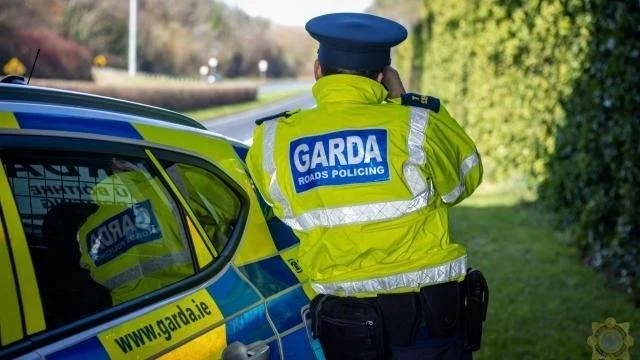
Road Deaths Rise to Highest Level in Over a Decade as RSA and Garda Sound Alarm
Ireland’s roads have claimed the lives of 190 people in 2025, marking the highest annual death toll in more than ten years, according to provisional figures released by the Road Safety Authority (RSA) and An Garda Síochána. The increase represents a sharp and troubling reversal of the long-term downward trend in road fatalities.
Of the total, 185 deaths occurred on public roads across 174 fatal collisions, an 8% increase on the 171 deaths recorded in 2024. Authorities have described the figures as “deeply concerning”, particularly given the disproportionate impact on vulnerable road users.
Vulnerable Road Users Most Affected
Provisional data shows that pedestrians, cyclists, and motorcyclists continue to account for a significant share of fatalities:
Drivers: 76 deaths (41%)
Pedestrians: 41 deaths (22%)
Motorcyclists: 30 deaths (16%)
Passengers: 21 deaths (11%)
Pedal cyclists: 14 deaths (8%)
E-scooter users: 3 deaths (2%)
The RSA confirmed that cyclist deaths were at their highest level since 2017, while motorcyclist fatalities reached their highest point since 2007, underscoring growing risks for those without vehicle protection.
Patterns and High-Risk Periods Identified
Analysis of the data highlights several recurring trends:
More than half of fatal collisions involved a single vehicle
55% of deaths occurred at weekends
A significant proportion of fatal crashes happened between 4pm and midnight
November and December were the deadliest months of the year
Approximately three-quarters of those killed were male
These patterns mirror findings from previous years but are now occurring against a backdrop of rising overall fatalities, prompting renewed concern among road safety officials.
Official Reaction and Government Response
The RSA said the increase in deaths, particularly among vulnerable road users, was “extremely concerning” and called for renewed focus on driver behaviour, speed management, and shared responsibility on Irish roads.
Gardaí echoed those concerns, noting the persistent role of speeding, distraction, alcohol, and drug-driving in fatal collisions. Enforcement operations, including speed checks and roadside testing, are expected to be intensified in 2026.
The Minister of State with responsibility for Road Safety described 2025 as an “incredibly difficult year on Irish roads” and reaffirmed commitments to work with enforcement agencies and safety bodies to reverse the trend.
A Reversal of Long-Term Progress
Ireland had made significant progress in reducing road deaths over the past two decades, falling from over 300 fatalities annually in the early 2000s to consistently below 200 in recent years. The latest figures now raise serious questions about whether current road safety strategies are sufficient in the face of changing traffic patterns, increased road usage, and emerging risks such as e-scooters.
As 2026 begins, road safety advocates are warning that without decisive action, enforcement, and public accountability, the human cost on Ireland’s roads may continue to rise.
Aaron Joyce, Newswire, L.T.T Media
Newsdesk
1 January 2026